| Home » Fodor's Travel » Asian » Hongkong |
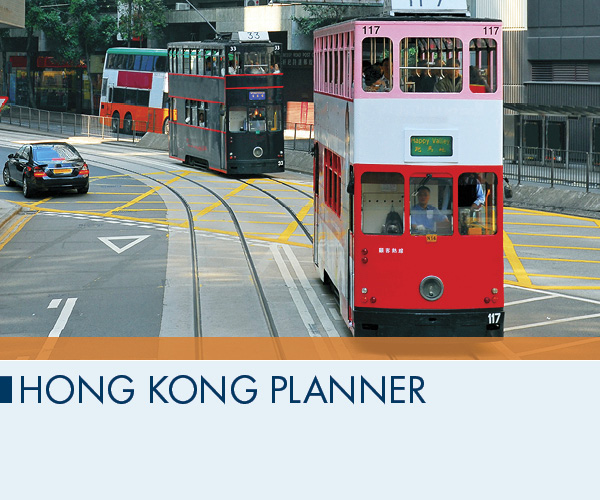
Previous Chapter | Next Chapter | Table of Contents Looks Deceive | Wording It Right | Visitor Information | Open Hours | Getting Around | When to Go LOOKS DECEIVEOn the surface, Hong Kong is a big, chaotic jumble of bustling alleys and streets punctuated by imposing skyscrapers and shopping malls. A closer look reveals the marks of a century of colonialism and several thousand years of Chinese ancestry. Then, notice that rural mountains, forests, and outlying islands comprise more than 70% of Hong Kong’s land mass. WORDING IT RIGHTLearn to recognize a few basic Cantonese expressions such as “lei-ho?” (“hello, how are you?”) and “mm-goi” (“excuse me” or “thank you”). Hong Kong’s official languages are Chinese and English, but the native dialect is Cantonese. Mandarin Chinese has gained popularity here and in Macau. In hotels, large stores, international restaurants, and clubs, most people speak English. Many taxi and bus drivers and staffers in small shops, cafés, and market stalls do not. Ask MTR (Mass Transit Railway) employees or English-speaking policemen, identifiable by their red-striped epaulets, for directions. Get your concierge to write down your destination in Chinese if you’re headed off the main trail. VISITOR INFORMATIONSwing by the Hong Kong Tourist Board (HKTB) visitor center before even leaving the airport. It publishes stacks of helpful, free exploring booklets and maps, offers free classes and workshops on local culture, runs a plethora of tours, and operates a multilingual helpline. Its detailed, comprehensive website is a fabulous resource. If you’re planning on visiting several museums in a week, pick up a Museum Weekly Pass, which gets you into seven museums for HK$30. Buy it at participating museums or at the visitor center at the Tsim Sha Tsui Star Ferry Concourse. Hong Kong Tourist Board (HKTB). OPEN HOURSBusiness hours for most shopping malls and boutiques are from 11 am until 8 or 9 pm, though hours may be extended during weekends and festive seasons. Small family-owned businesses might close for big public holidays—especially Chinese New Year—but major operations, supermarkets, and chain stores usually stay open year-round. Hong Kong will keep you well fed through the day and deep into the night. Breakfast can start as early as 6 am with options such as congee, dim sum, or scrambled eggs on toast with a glass of milk tea. In between lunch and dinner, most cha chaan tengs (Hong Kong–style cafés) offer an afternoon tea menu, which is basically the regular menu at a discounted price. Typical closing time for restaurants is 10:30 or 11 pm, but you’ll find plenty of late-night dining establishments, including street snack stalls that sell local delicacies, including fish balls on a stick, until well past midnight. After dinner, take advantage of Hong Kong’s buzzing nightlife scene. Bars and clubs stay open until the wee hours of the morning. Or you can rent a private room and sing the whole night away at one of the many karaoke lounges in town. GETTING AROUNDHong Kong’s streets may seem utterly chaotic, but the public transport system is not. Be sure to purchase a rechargeable Octopus card, which can be used on all buses, trains, and trams, the ferry, and even to make purchases at vending machines, convenience stores, supermarkets, fast-food restaurants, some shops, and the racetrack. The quickest and perhaps safest way to travel is with the ever-reliable MTR (underground railway), which links to most of the areas you’ll want to visit. There’s no timetable because trains run so frequently. Signs and announcements are in both Chinese and English, and posted maps help visitors navigate outside the stations, too. Although you can cross the harbor on the MTR, the Star Ferry is a cheaper ride, with the added bonus of letting you enjoy the fantastic harbor views during the 10-minute journey between Hong Kong Island and Tsim Sha Tsui. Fast and regular ferries are also available for the outlying islands, although you can take a sampan or hire an air-conditioned junk for the day. If you prefer street-level travel, the city’s air-conditioned double-decker buses can take you anywhere, provided you know which number and route to take. On the northern side of Hong Kong Island you can also take the tram (listen for the distinctive “ding-ding”), a fun and inexpensive way to get from one side of the island to the other—and it’s the same route that the MTR follows, so you should be able to walk to an MTR station from any tram stop between Sheung Wan and Shau Kei Wan. If you do get lost, you can always hail a cab. Prices are reasonable if you’re not traveling too far, and tipping is not required. Not all drivers are willing to cross the harbor, though, so be sure to ask before getting in. Unless it’s a designated cross-harbor vehicle, expect to be charged for the return-trip toll as well. Perhaps best of all, Hong Kong is a city that’s easy to explore on foot. In Central, a covered walkway connects major buildings in the business district, and Mid-Levels is easily accessed by an outdoor escalator, thus avoiding stoplights, exhaust fumes, and weather conditions (but not crowds). The same can apply to the pedestrian overpasses all around the city. WHEN TO GOHigh season, from September through late December, sees sunny, dry days and cool, comfortable nights. January and February are mostly cool and damp, with periods of overcast skies. March and April are pleasant, and by May the temperature is consistently warm and comfortable. June through August are the cheapest months for one reason: they coincide with the hot, sticky, and very rainy typhoon (hurricane) season. Hong Kong is prepared for blustery assaults; if a big storm approaches, your hotel will post the appropriate signals (a No. 10 signal indicates the worst winds; a black warning means a rainstorm is brewing). This is serious business—bamboo scaffolding and metal signs can hurtle through the streets, trees can break or fall, and large areas of the territory can flood. Museums, shops, restaurants, and transport shut down at signal No. 8, but supermarkets, convenience stores, and cinemas typically stay open. |